
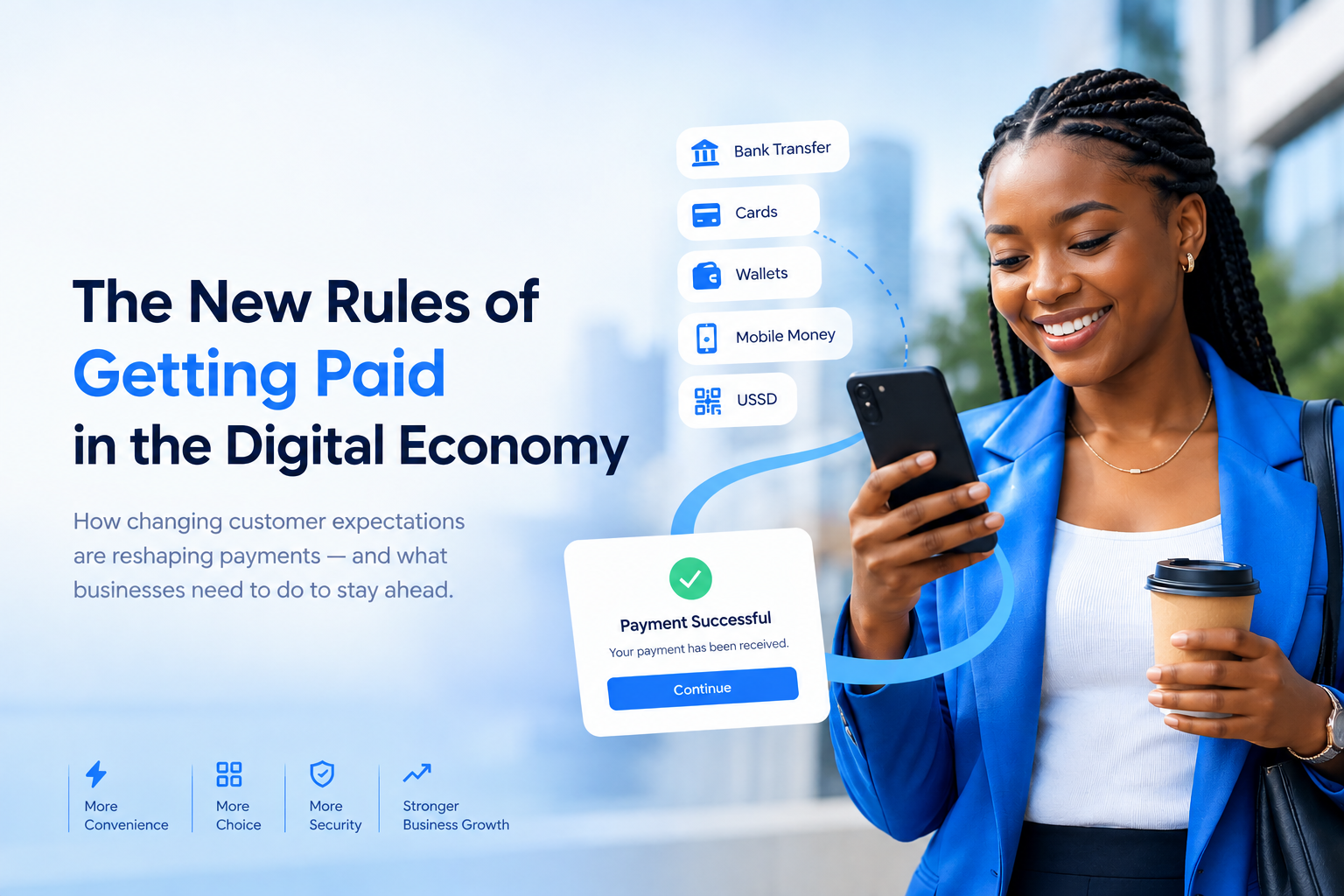
How convenience, payment choice and trust are reshaping the digital economy
Payments are now part of the customer experience
Customers no longer judge a transaction only by whether it succeeds. They also care about how easy it is to pay, whether their preferred method is available, how quickly they receive confirmation, and whether they feel safe. Across Nigeria and other African markets, people move between bank transfers, cards, mobile money, digital wallets and other channels. Businesses must make payment fit naturally into the buying journey.
The scale of the shift is clear: KPMG’s 2025 West Africa Banking Industry Customer Experience Survey reported that Kenya’s electronic payment transactions reached ₦1.07 quadrillion in value during 2024, while highlighting concerns about digital transaction security and trust.
Convenience is the new standard
A customer who is ready to buy should not have to navigate confusing instructions, enter unnecessary details or wait too long for confirmation. For example, a seller on WhatsApp can send a payment link so the customer can open a payment page, choose an available method and complete the transaction with clear instructions. Businesses should test checkout on mobile devices, remove unnecessary steps, and set clear processes for failed payments, refunds and support. Customers seeking to use this method of payment can check this Payment Links.
Customers want choice
One customer may prefer a bank transfer; another may want a card, wallet or locally familiar method. Supporting only one option can create avoidable barriers and cost a business sales. However, adding every method is not automatically the answer. Review customer preferences, fees, settlement timelines, coverage and transaction success rates, then prioritise options that serve your audience. The Merchant Risk Council’s 2025 Global Fraud and Payments Report discusses merchant payment acceptance trends and the importance of improving customer experience. Explore Marasoft Pay and its payment options.
Trust must be built into every transaction
Fast payments matter, but confidence helps customers complete transactions and return. Use reputable providers and secure payment pages; show the business name and amount clearly; send prompt confirmations and receipts; explain fees and refund terms; and provide a clear route for disputes. Verify incoming funds through appropriate payment records rather than relying on screenshots. Staff should never ask customers to disclose sensitive credentials.
For guidance, consult the Central Bank of Nigeria Payments System resources.
Make payment fit the way you sell
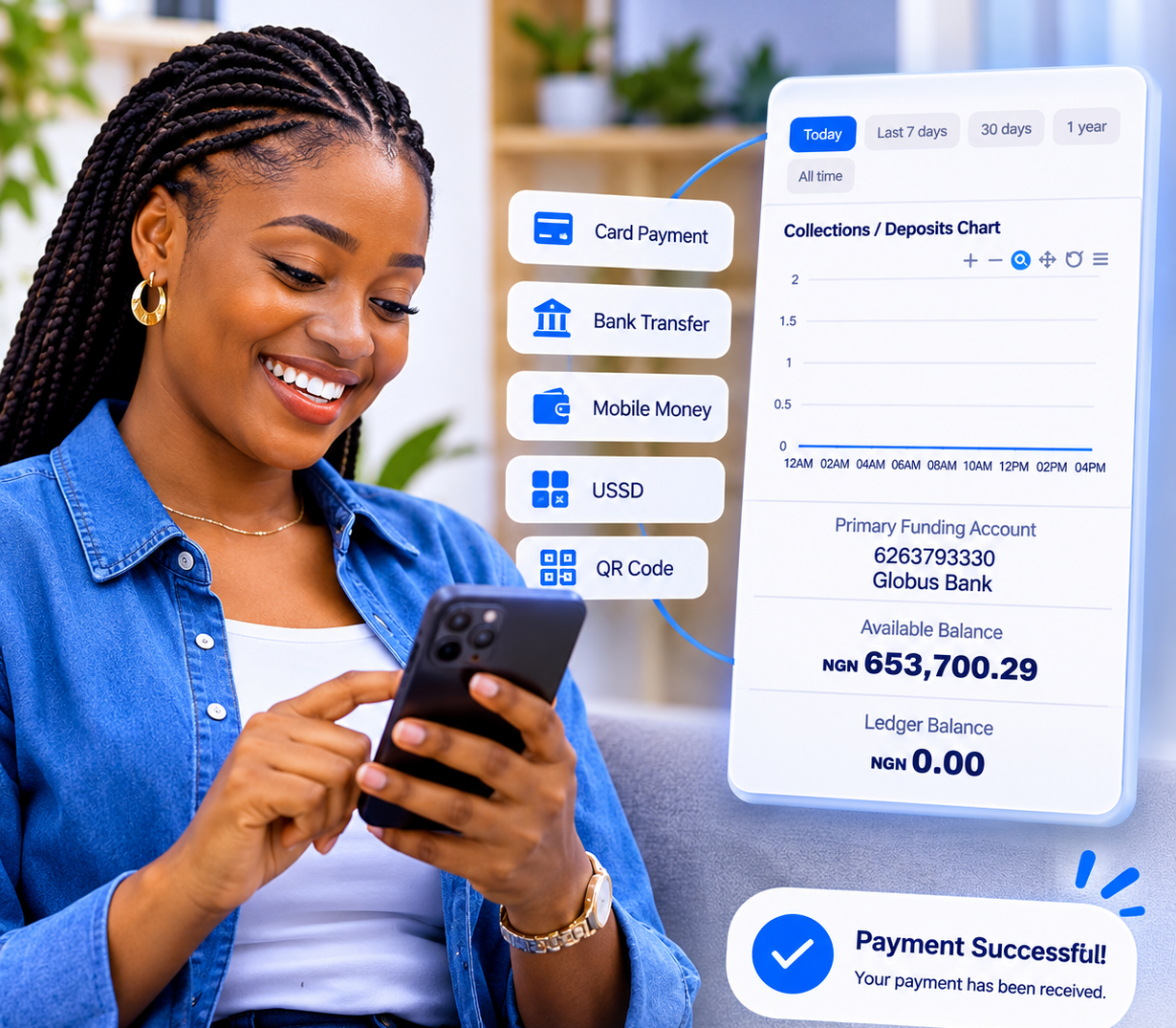
A sale may begin on Instagram, continue on WhatsApp, and finish through an invoice or payment request. Payment links and digital collections help businesses place payment requests within existing sales and customer communication workflows. They can also support more consistent records, follow-ups and reconciliation when used with suitable business processes. For instance, a service provider can send an invoice and payment link, verify receipt, and update the customer account. The exact workflow depends on the tools and integrations available.
Marasoft Pay internal links: Payment Links | Digital collections and payment options
Use payment data to make better decisions
Transaction records can show which channels convert best, where payments fail, how long collections take and how much time staff spend reconciling accounts. Start with accurate records and a clear problem to solve before investing in automation or AI. Track completed-payment rates, checkout abandonment, refund and dispute volumes, collection time, and payment-related support requests. Protect customer information and follow applicable privacy and financial rules.
For a broader view of emerging trends, read McKinsey’s 2025 Global Payments Report.
What businesses should do now
- Audit the full payment journey on mobile and desktop; remove unnecessary steps.
- Find out from customers which payment methods they prefer and measure performance before expanding.
- Set clear procedures for confirmation, failed transactions, refunds and disputes.
- Standardize invoices, receipts, collections follow-ups and reconciliation.
- Review key metrics regularly and invest in technology where it delivers measurable value.
Getting paid is part of growth
The new rules of digital payments center on convenience, choice, trust and connected workflows. A poor payment experience can undermine an otherwise strong product; a reliable one can reduce friction, improve collections and encourage repeat business. Businesses should ask not only how to accept payments, but how to make paying easier for customers and managing money simpler for their teams. Explore Marasoft Pay to review how flexible digital payment experiences could support your business goals.