
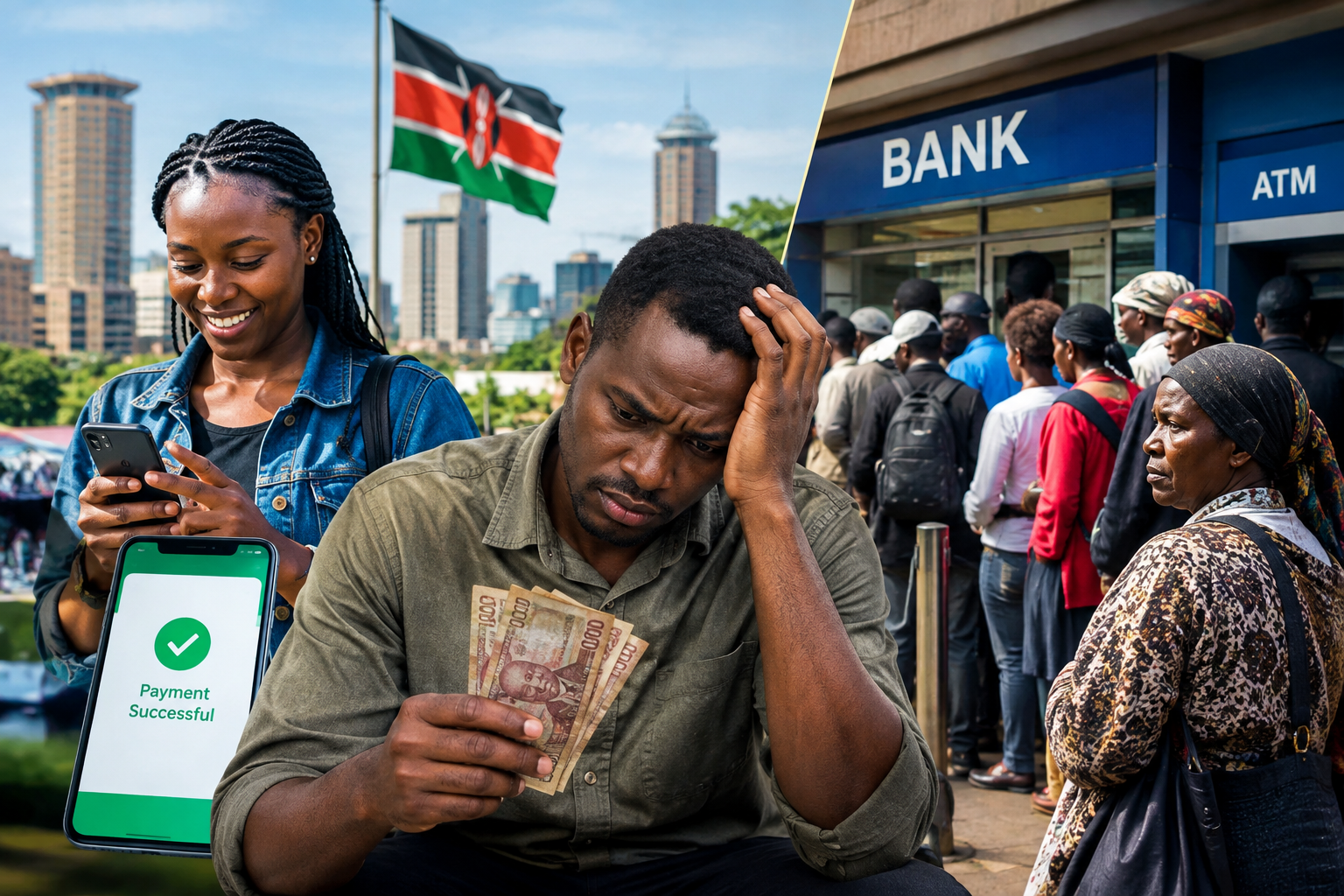
Most fintech content tells you the same story. Digital is progress. Cash is the past. The direction of travel only ever
points one way. Kenya’s own history says otherwise, twice over.
The first attempt: BebaPay
In April 2013, Google and Equity Bank launched BebaPay, a tap-to-pay card system for Nairobi’s matatus. The
government backed it hard, publishing a gazette notice that aimed to ban cash fare payments outright from July
2014. On paper, everything lined up: a global tech giant, a major bank, and regulatory muscle behind it.
Eighteen months later, it was dead. BebaPay had grown to over 700,000 active users, and it still didn’t survive. The
reason wasn’t technology. It was trust, or rather, whose trust the system never earned. As one matatu operator
told the Standard at the time, BebaPay denied operators “their fair share” of daily cash they weren’t remitting to
vehicle owners in the first place. So drivers and touts simply sabotaged it, telling passengers “system down”
whenever it suited them. Google quietly discontinued the service in March 2015.
The second attempt: a government mandate
The lesson didn’t fully land the first time. The National Transport and Safety Authority tried again, at various points
requiring matatus to go cashless, and again ran into the same wall. Kenyan Wall Street’s own retrospective on the
episode put it plainly: the system failed “due to a lack of support from matatu operators,” for the exact same
reason as before. Cash, however informal and undocumented, was the currency of trust between drivers, touts,
and owners. No card system, however well designed, could replace that overnight by decree.
Then it happened anyway, just not how anyone planned it
Here’s the twist. Matatus did eventually go cashless, largely. Walk onto most matatus in Nairobi today and you’ll
see a till number taped to the window. No new hardware. No mandate. No card. Just M-Pesa, Paybill, and Pochi la
Biashara, tools operators and passengers already trusted, adopted on their own terms, at their own pace.
The difference wasn’t the technology. BebaPay and M-Pesa are not radically different in what they do. The
difference was who the system served first. Mobile money didn’t try to strip out the informal cash economy. It
gave that economy a faster, more familiar way to move money it already understood.
Cash still hasn’t left the room
This pattern shows up everywhere in Kenya’s payments landscape today, not just in matatus.
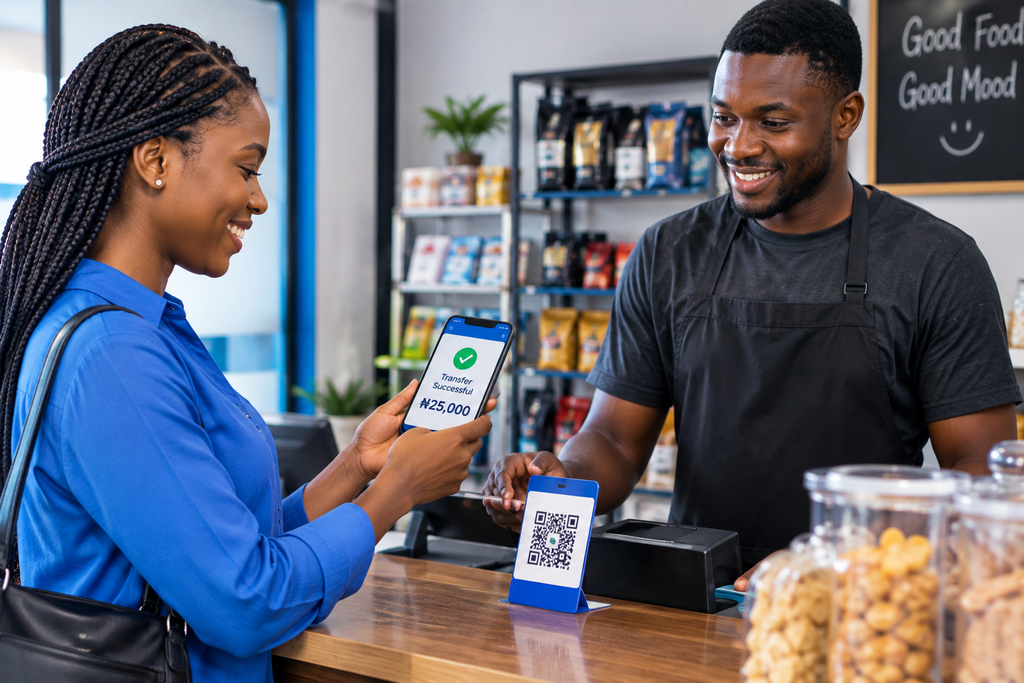
A 2024 Statista survey found cash remains the most preferred point-of-sale payment method in Kenya at 84
percent, ahead of mobile money at 80 percent. Walk into Sonford Fish and Chips in Nairobi’s CBD, a fast food spot
that’s been feeding the city for years, and you’ll find a sign that hasn’t changed with the times: cash only, no M-
Pesa accepted. It’s such a known quirk of the place that it shows up in restaurant reviews and TikToks as often as
the food does. Sonford isn’t behind the curve. It’s simply never needed to change, because cash still works
perfectly well for its customers and its business model.
Zoom out further and the pattern holds at a policy level too. Kenya’s own Central Bank data shows cash handled by
mobile money agents fell sharply through 2025, but analysts describe this less as a cashless revolution and more as
“a selective retreat.” High-value, visible transactions move digital. Smaller, informal ones often don’t. And when
the government floated a new VAT on mobile money transfers in the 2026 Finance Bill, the Kenya Bankers
Association warned publicly that taxing digital payments too heavily could push Kenyans straight back to “mattress
banking,” undoing over a decade of financial inclusion gains in one policy decision.
Trust, not technology, remains the real gap left to close. Digital payments only work at scale when people believe
in them as much as they believe in cash.
What this actually teaches fintech
The uncomfortable lesson in all of this is that digital adoption was never really about digital versus cash. It was
about whether a new system respected the trust relationships that already existed, or tried to bulldoze them.
BebaPay assumed matatu operators would adopt a tool that cut into their income simply because it was more
modern. M-Pesa succeeded in the same industry because it slotted into behavior people already trusted, it didn’t
ask anyone to abandon anything, it just made the thing they were already doing faster.
That’s a genuinely different starting point for building payment infrastructure than “replace cash as fast as
possible.” Real financial inclusion sometimes looks less like eliminating the old system and more like meeting
people inside the systems they already trust, and building the reliability, speed, and visibility layer on top of that,
not instead of it.
Where this leaves a business owner
This isn’t an argument against digital payments. It’s an argument for building them around how people actually
behave, not how a system assumes they should.
For a growing Kenyan business, that means accepting that some customers will always want to pay in cash, some
will want mobile money, some will want a bank transfer, and increasingly, some will want to settle in crypto. The
businesses that thrive won’t be the ones that force a single payment method on everyone. They’ll be the ones with
the infrastructure to handle all of it without losing visibility over their money.
That’s the exact problem Marasoft Pay exists to solve, giving Kenyan businesses one place to manage collections
and settlements across every channel their customers actually use, cash-adjacent or fully digital, without picking a
side in a debate that Kenya itself has already answered twice.
Ready to simplify how your business sends, receives, and settles payments? Visit marasoftpaykenya.com to get
started.
For more insights on payments and digital finance in Kenya, explore more articles on the Marasoft Pay blog.